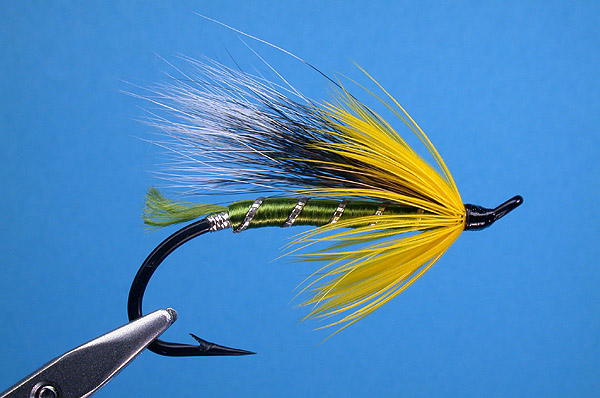
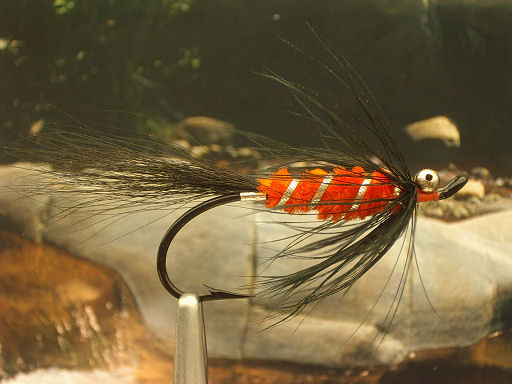
A long proven must for Atlantic salmon on the storied rivers of eastern Canada, and a trusty favorite for steelhead on many western fisheries too, the Black Bear Green Butt is equally deadly on both the deep-sunk and near-surface swings. Surprisingly effective in smaller sizes when waked or skated using the riffle hitch technique as well, the Black Bear Green Butt is a wise and reliable choice indeed.
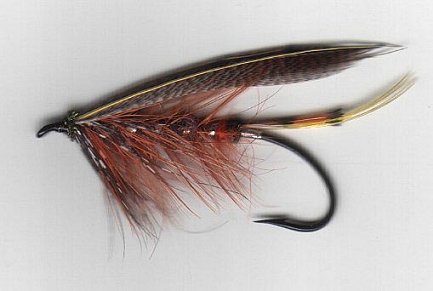
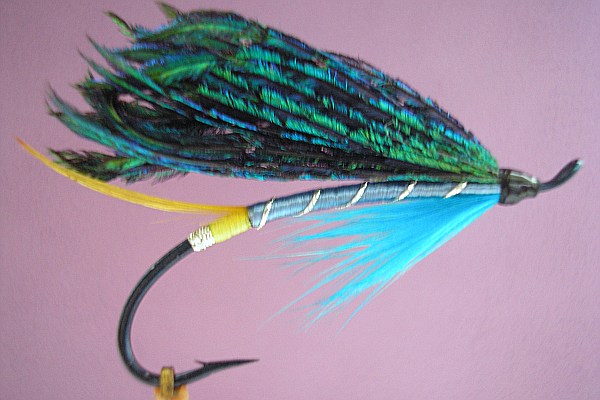
The Blue Charm began over a century ago as a simple British featherwing pattern; often tied as a small “low-water†fly. Since then it has become a popular and effective fly pattern everywhere Atlantic salmon are fished. Variations include adding elements of the original, such as an ostrich herl butt or Golden pheasant topping. The original mallard or turkey and teal feather wing has been replaced by grey squirrel tail, sometimes with a Krystal lash underwing. Newfoundlanders like to substitute moose hair for the wing, or, recently, a white calf-tail wing. Other variations include hackle substitution of iridescent blue peacock neck feather or a lighter blue colour such as Silver Doctor blue
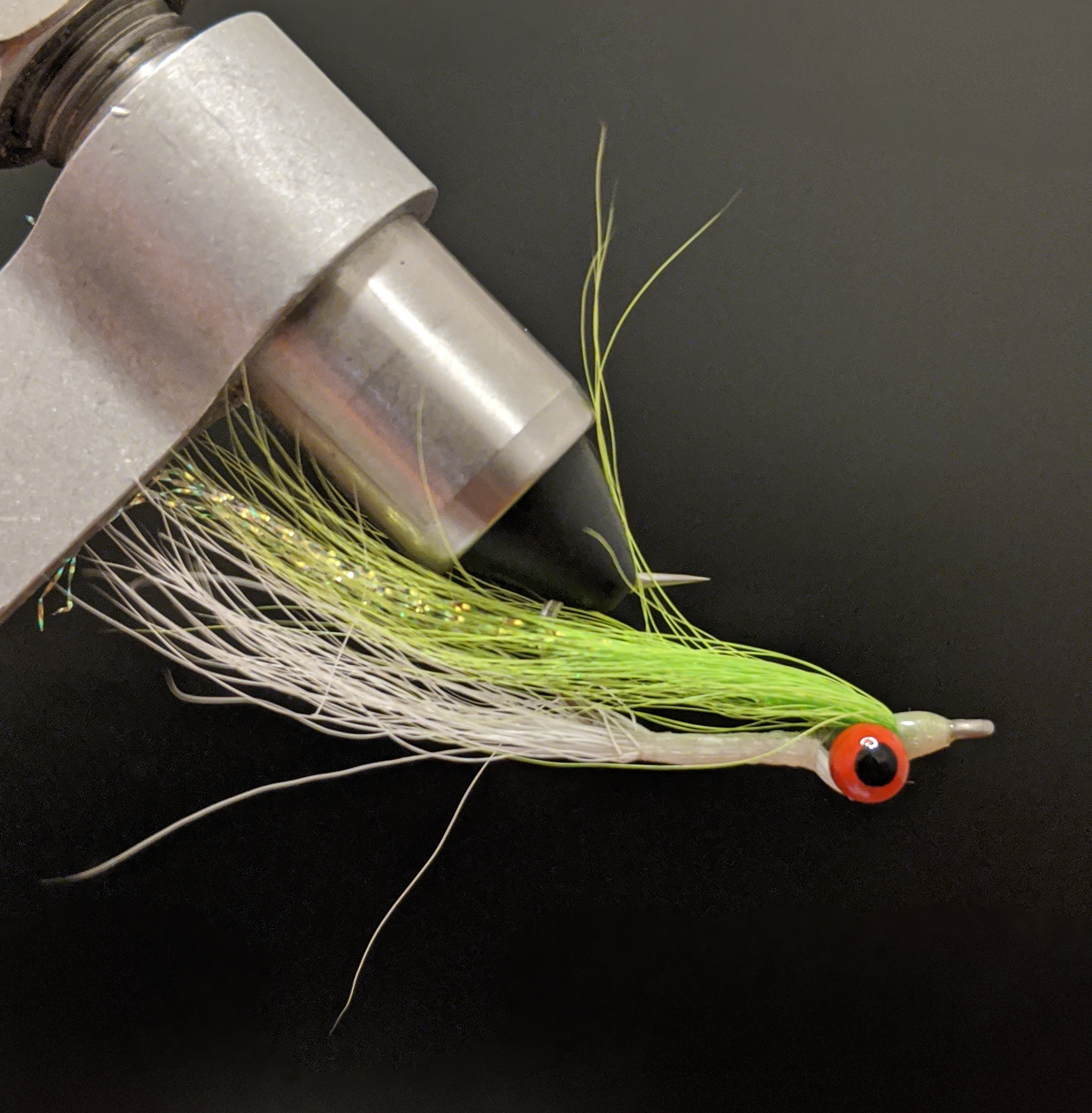
The Clouser Minnow is probably the most all-around useful fly ever created. It will catch nearly any freshwater or saltwater fish. The Clouser imitates nearly any baitfish depending on the color scheme, and can even imitate crayfish, shrimp, or crabs. The fly naturally rides hook point up, helping to avoid snags. This fly is most commonly tied with darker colors on the fly's back (while it's swimming) and lighter colors on the belly.
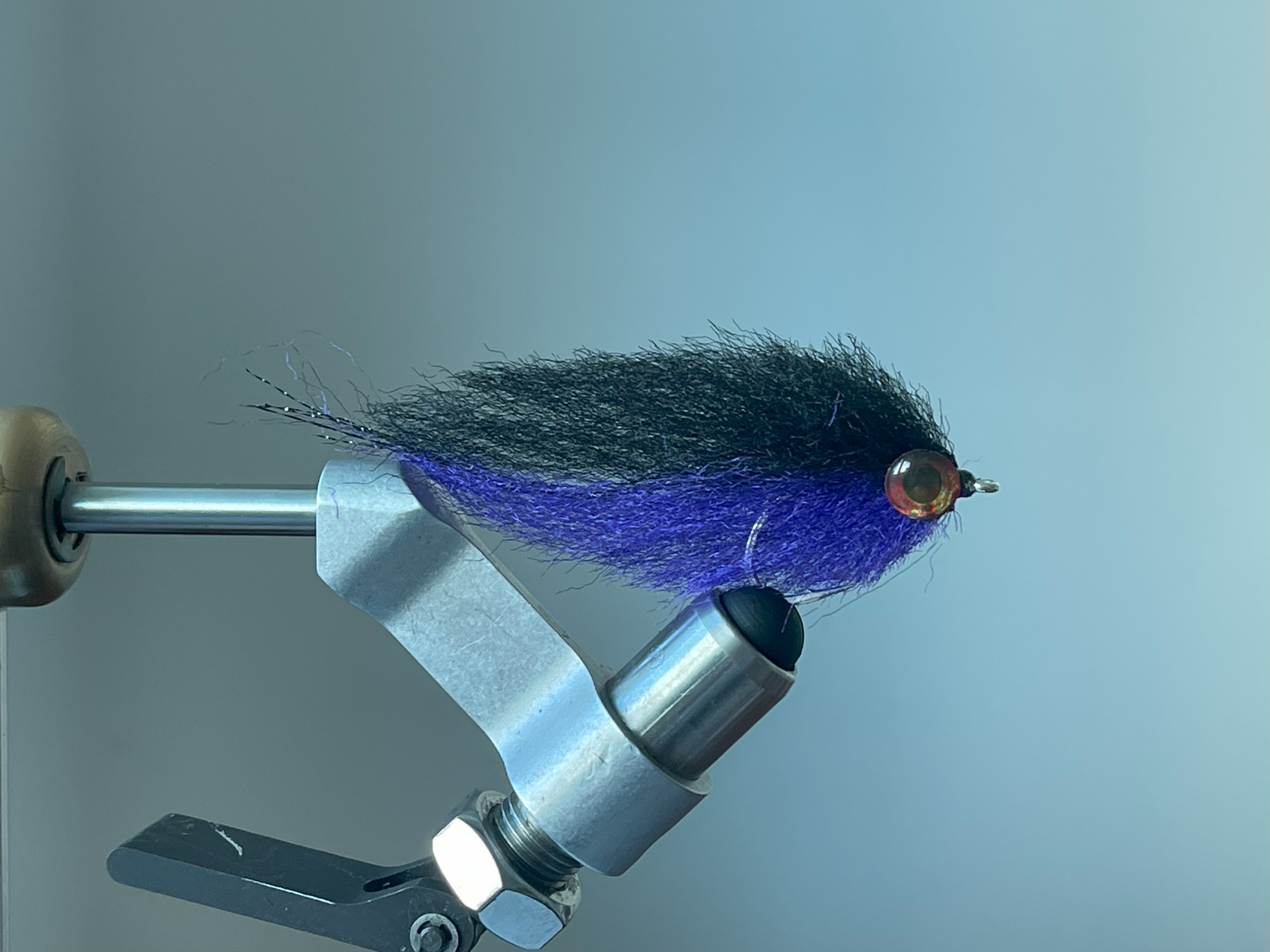
This is a fantastic all around baitfish pattern that can be tied in any color combo you can imagine to imitate whatever swims in your waters. The Enrico Puglisi (EP) Fibers don't absorb water, allowing for easier casting, while still pushing plenty of water. You can trim the fibers to any length or profile you want, too, making this such an easy fly to customize to your application. When tying this fly, try to keep it more sparse than you think you need - this fly will bulk up fast with too much material.
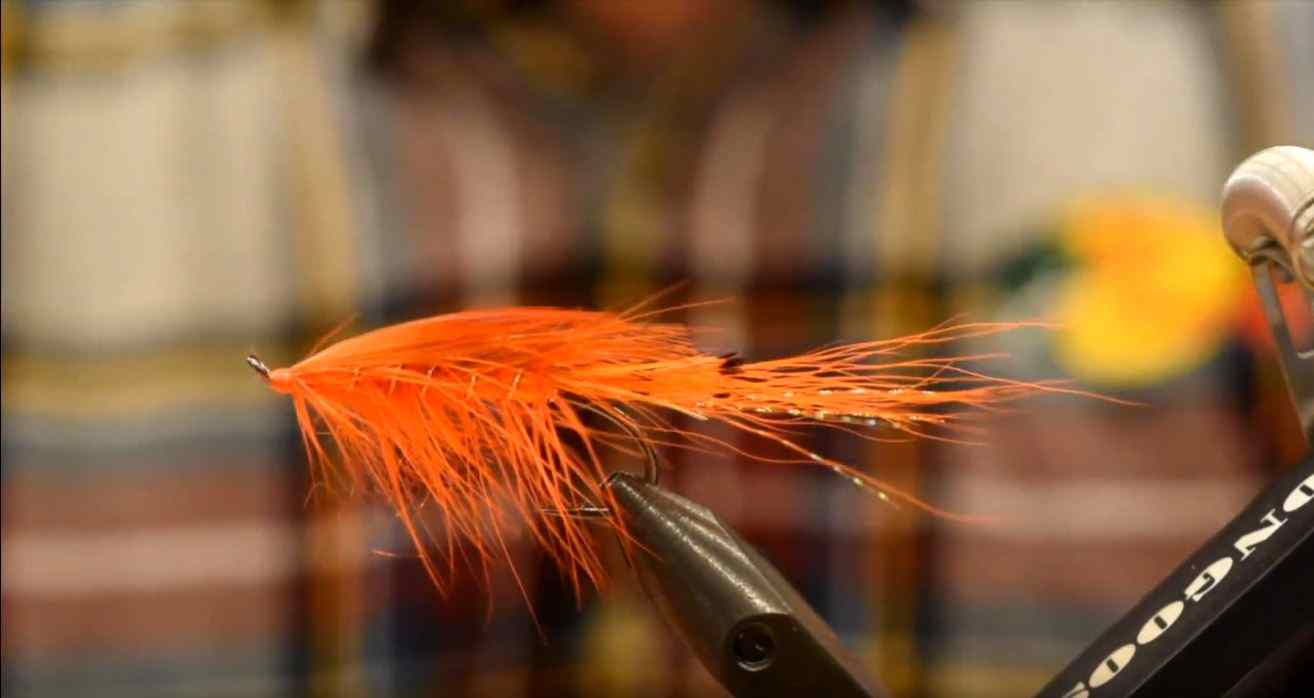
Created by Frank Hornberg in the 1920's, this fly was originally designed to imitate a caddisfly. Interestingly enough, this pattern eventually became considered a streamer. The versatility of this fly makes it a staple in your fly box. Fish it on top when trout are feeding on adult damsels or caddisflies, or fish it as a streamer. Larger sizes will work great for bass and panfish, too!
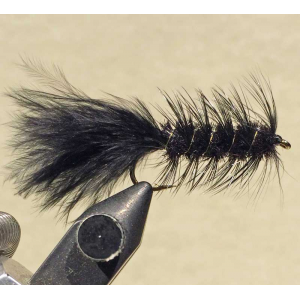
The Woolly Bugger is one of the most effective fly patterns ever invented. It can catch nearly anything that swims and can be tied in hundreds of variants of color, weight, and materials.