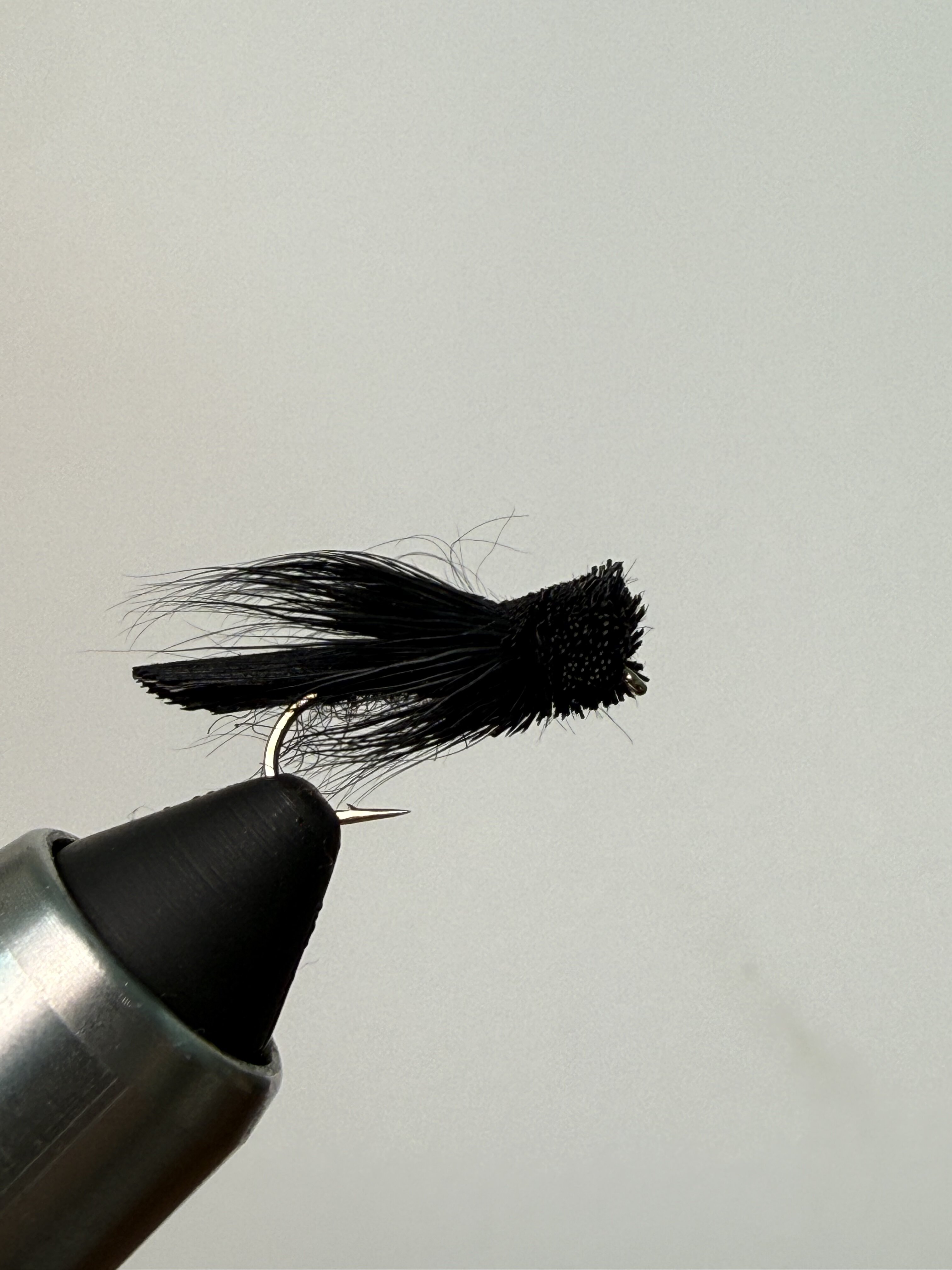
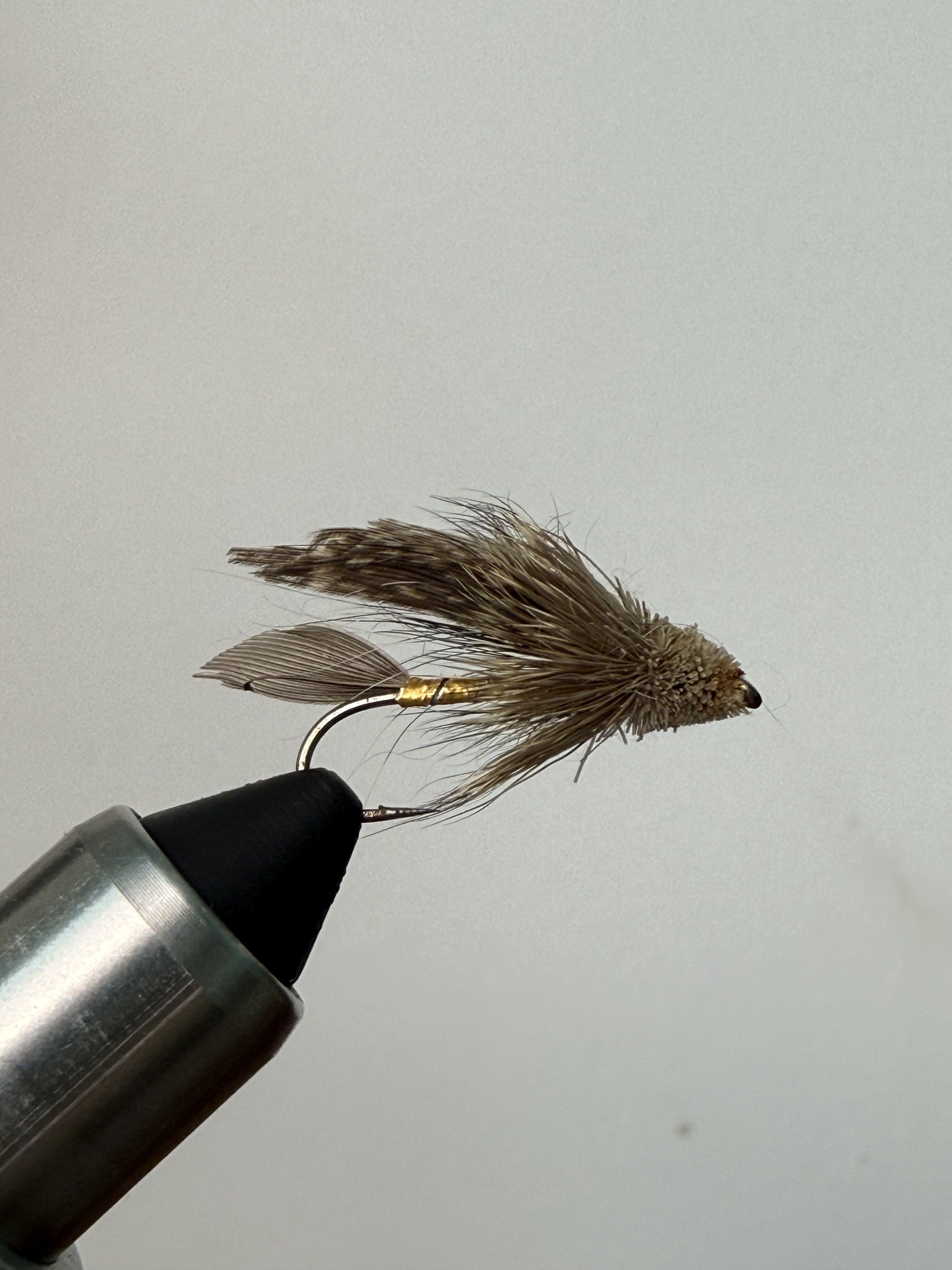
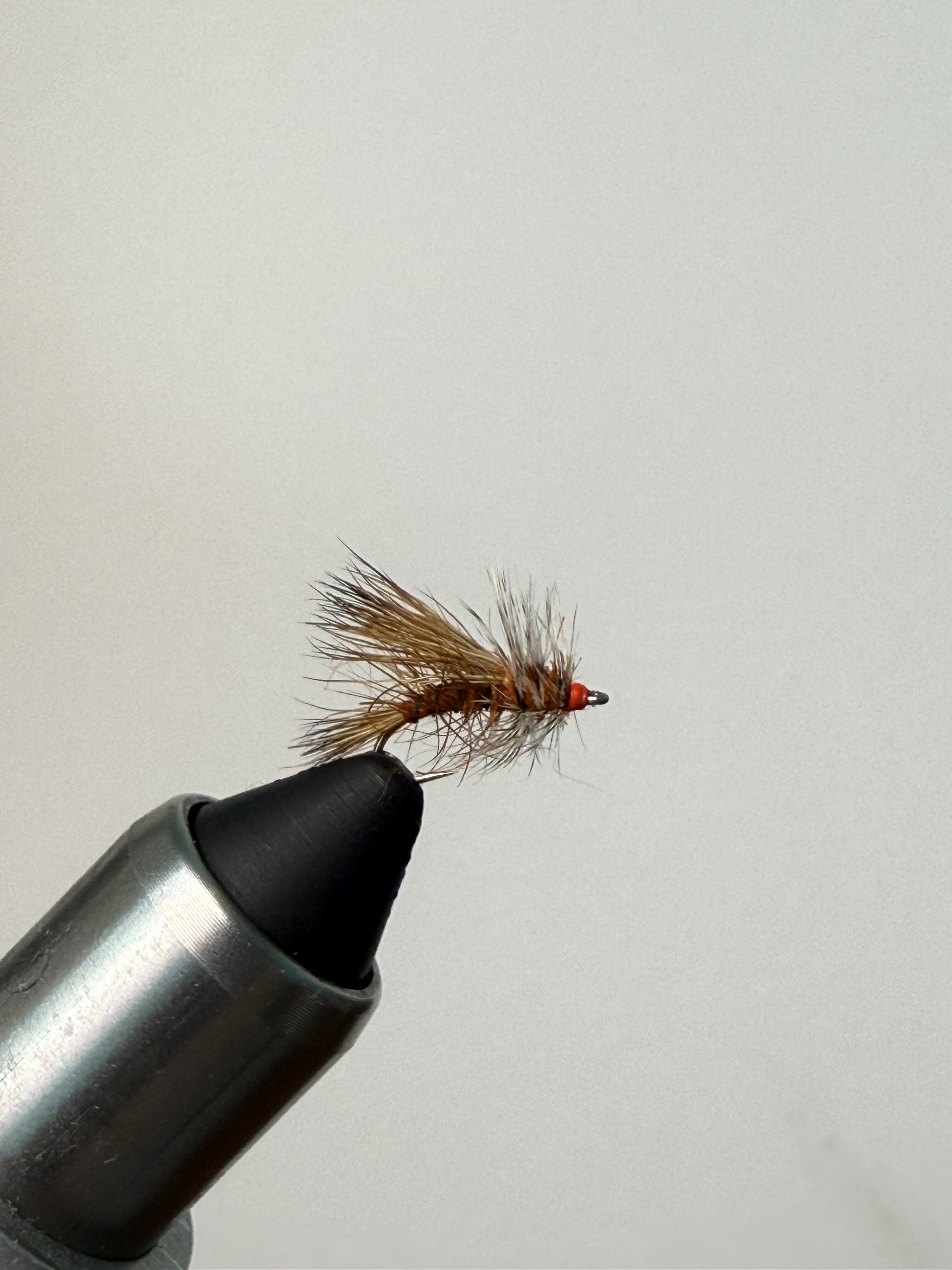
Created by Frank Hornberg in the 1920's, this fly was originally designed to imitate a caddisfly. Interestingly enough, this pattern eventually became considered a streamer. The versatility of this fly makes it a staple in your fly box. Fish it on top when trout are feeding on adult damsels or caddisflies, or fish it as a streamer. Larger sizes will work great for bass and panfish, too!
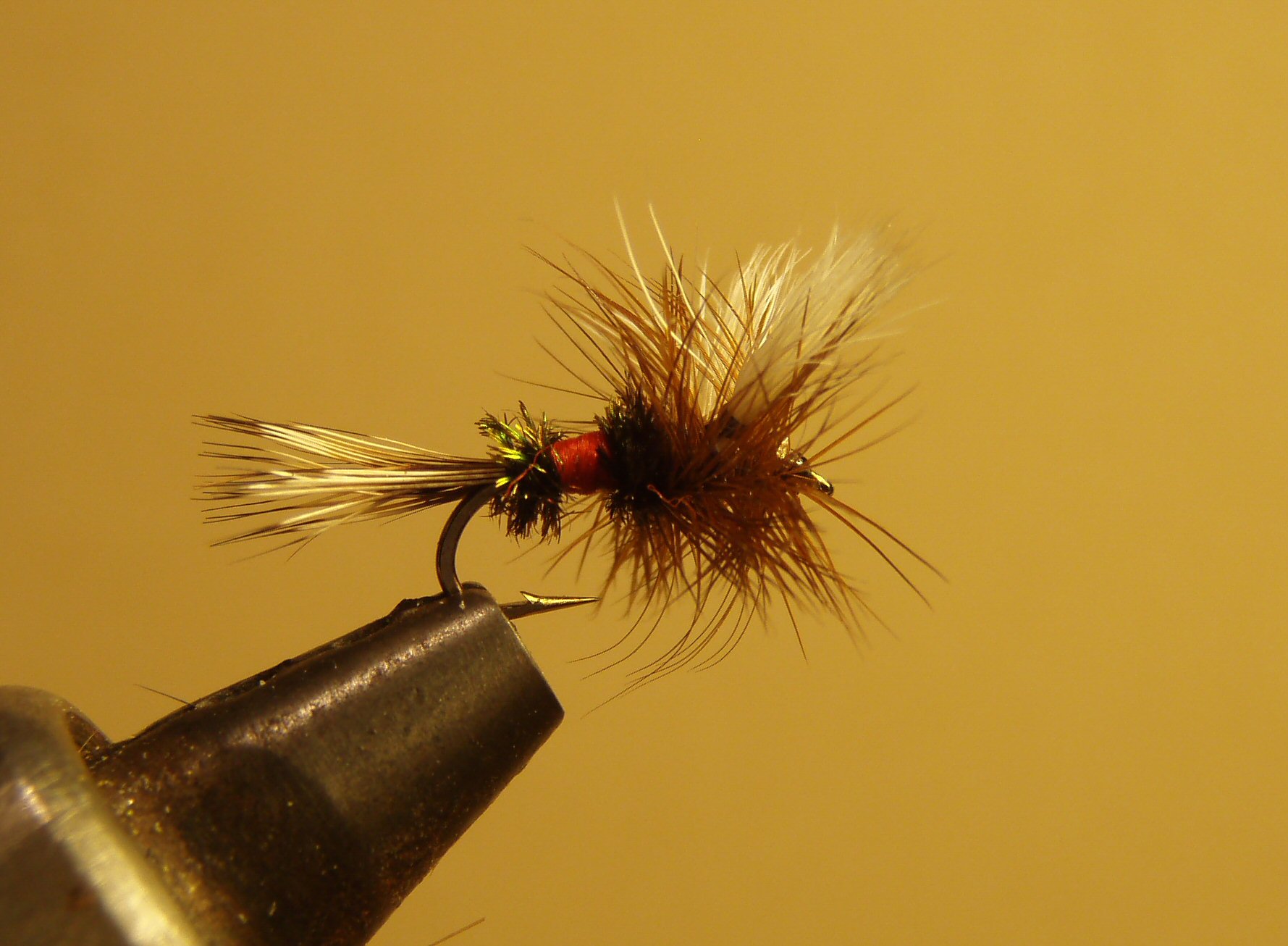
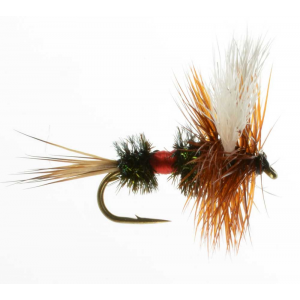
The Royal Coachman is an artificial fly that has been tied as a wet fly, dry fly and streamer pattern. Today, the Royal Coachman and its variations are tied mostly as dry flies and fished floating on the water surface. It is a popular and widely used pattern for freshwater game fish, particularly trout and grayling. Large streamer versions are also used for winter steelhead and Atlantic salmon.
First tied by Lee Wulff, this Royal Coachman variation is a staple in a trout fisherman's fly box. It imitates many types of mayflies as well as some terrestrials.
The Rusty spinner is named due to the rusty colored body used to tie the fly pattern. As it turns out, the spent mayfly of a number of species turns a rusty color regardless of the original body color. Thus, the Rusty Spinner imitates a number of mayfly species.