Bluegill

22 patterns

Clouser Minnow

Clouser Minnow

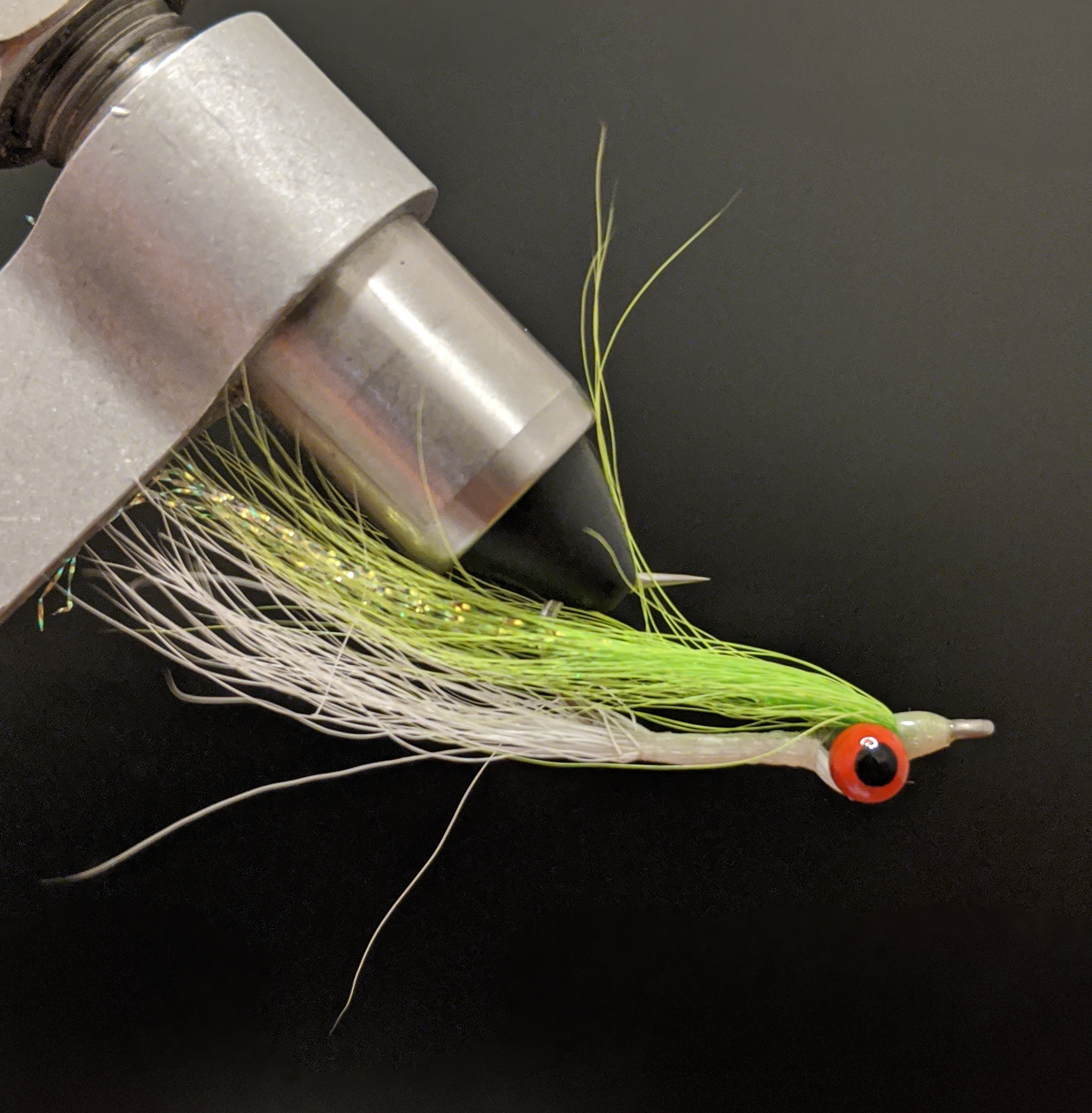
The Clouser Minnow is probably the most all-around useful fly ever created. It will catch nearly any freshwater or saltwater fish. The Clouser imitates nearly any baitfish depending on the color scheme, and can even imitate crayfish, shrimp, or crabs. The fly naturally rides hook point up, helping to avoid snags. This fly is most commonly tied with darker colors on the fly's back (while it's swimming) and lighter colors on the belly.

Elk Hair Caddis

Elk Hair Caddis

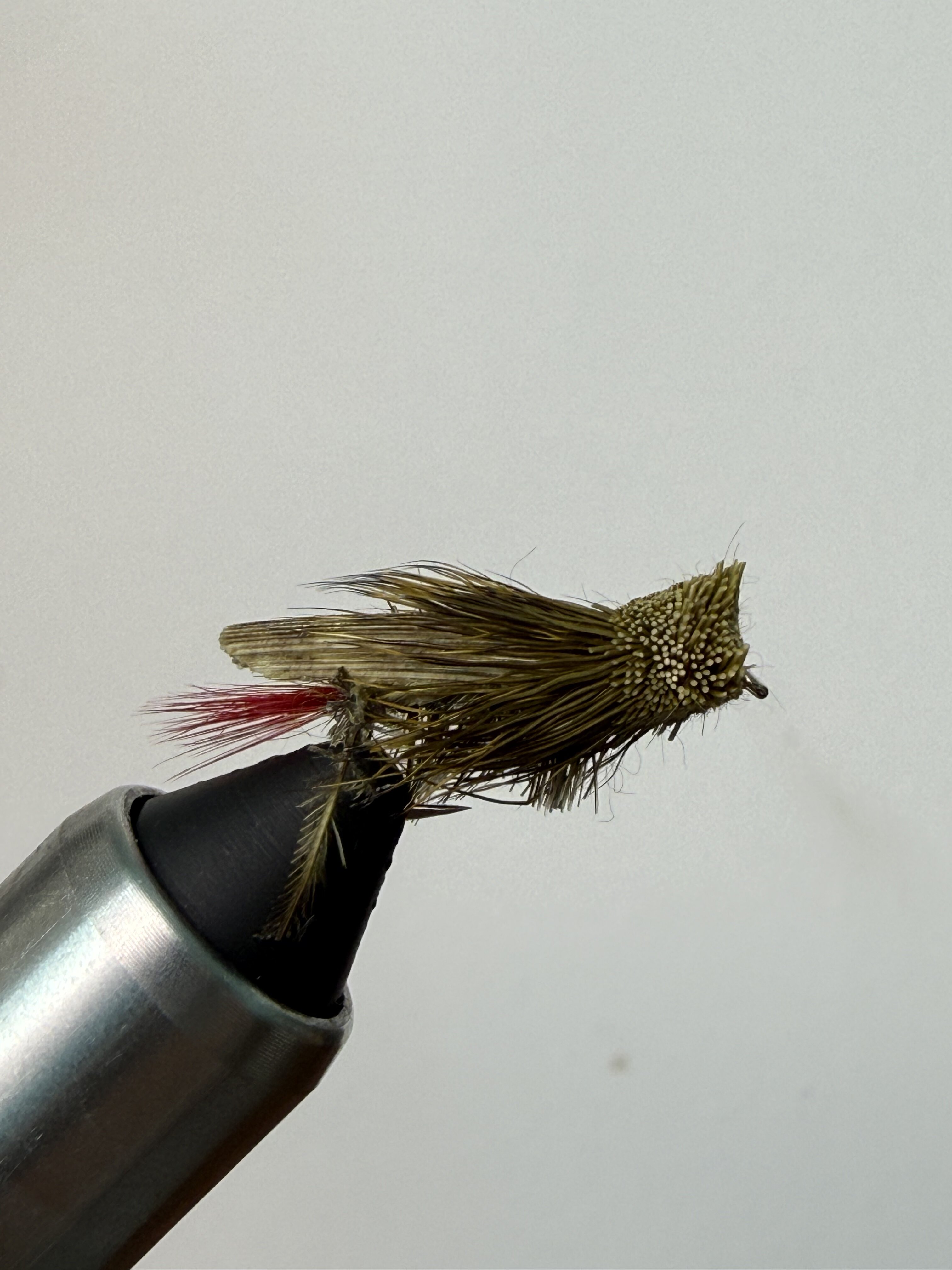
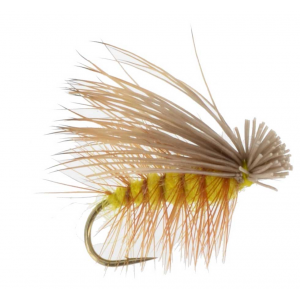
The Elk Hair Caddis is a staple in your trout fly box. Imitating a hatching caddis fly, it can be tied in sizes 10-20 and in just about any color combination of dubbing, hackle, and wing. They may be thought of for trout, but you can also find uses for them to target smallmouth bass and panfish.

Green Weenie

Green Weenie

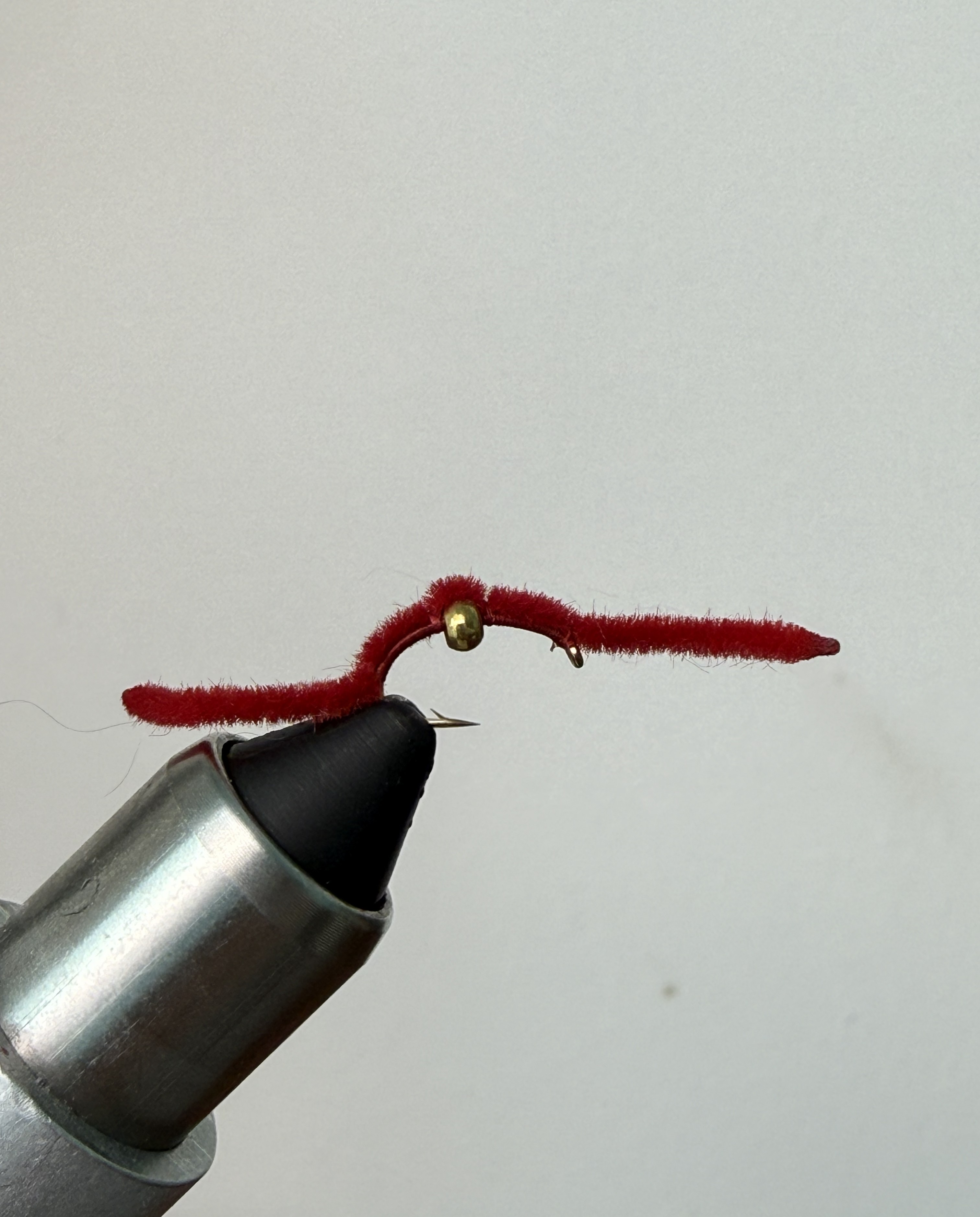
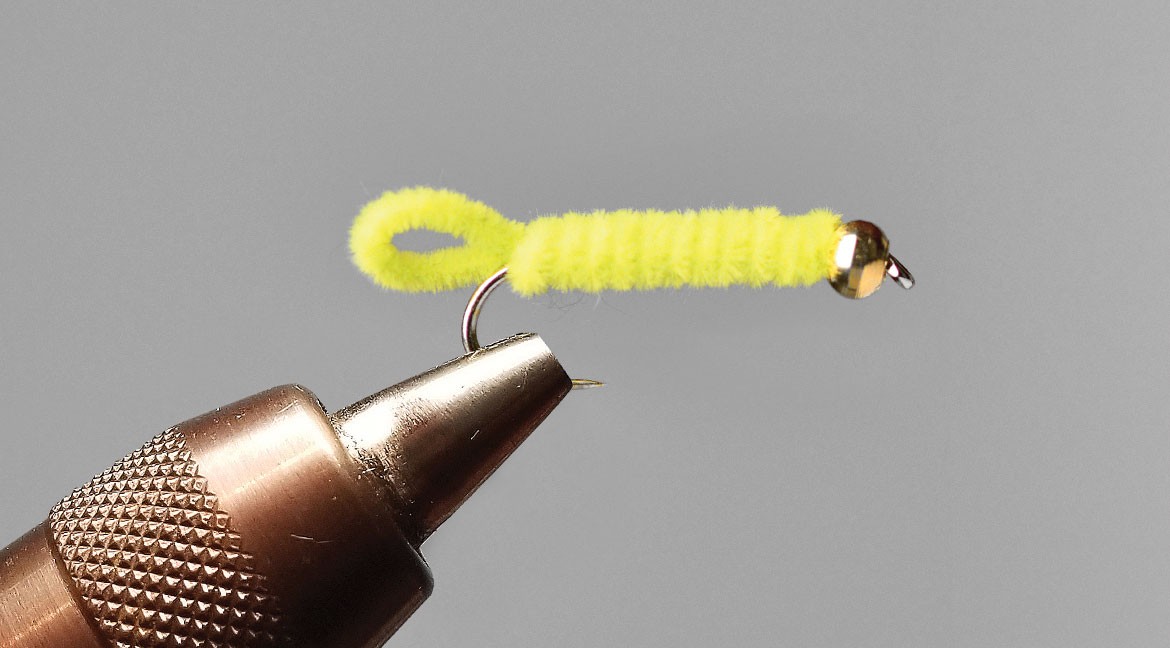
The Green Weenie is a very popular fly that imitates an inchworm or caddis pupa. It can be tied in any color variation, but most commonly fluorescent green or chartreuse - just match the thread to the body! You can also tie this fly in varying weights. Leave the bead off to fish it on the surface or just below, or add some wraps of lead around the hook shank to fish it extra deep!

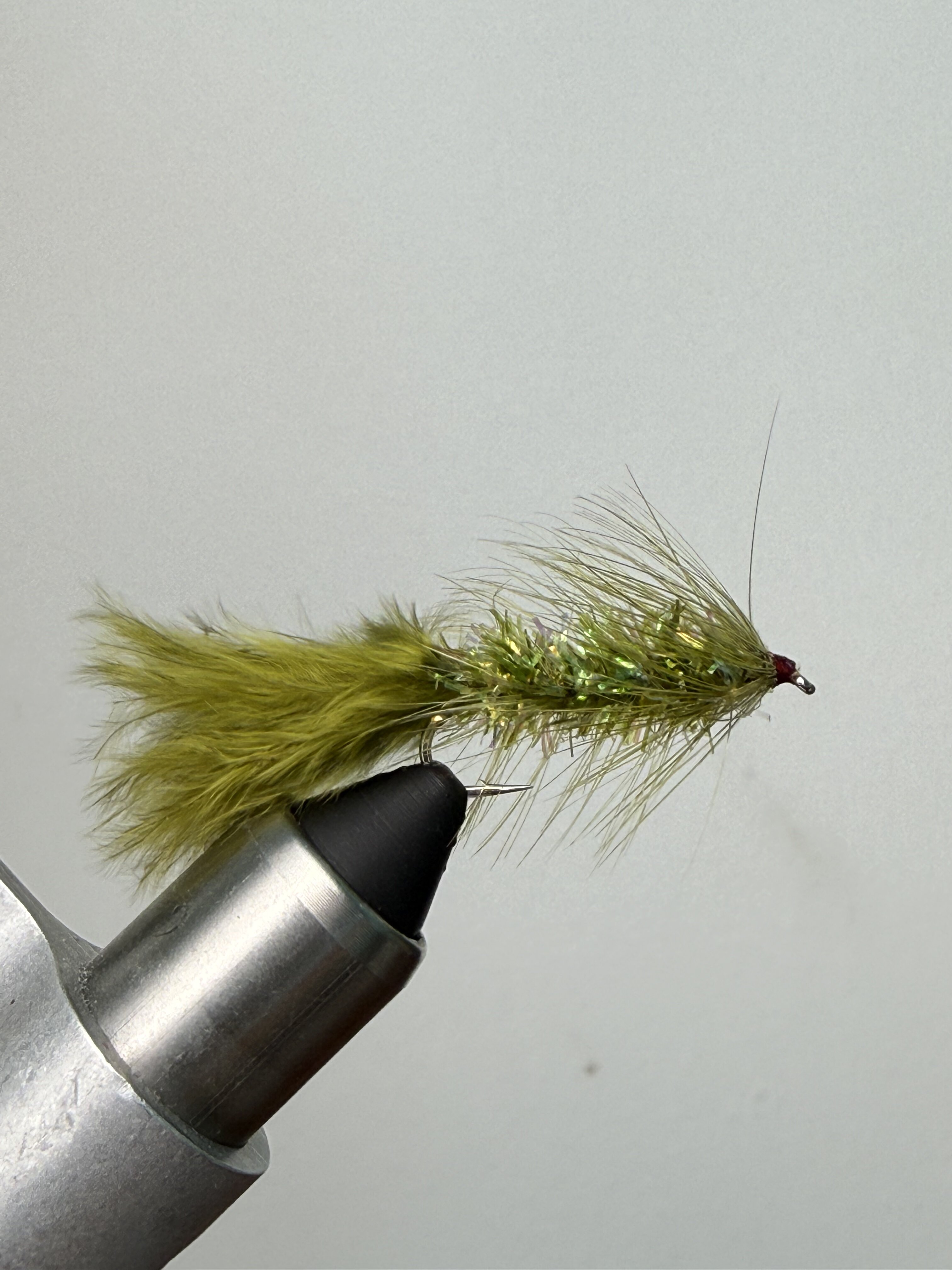
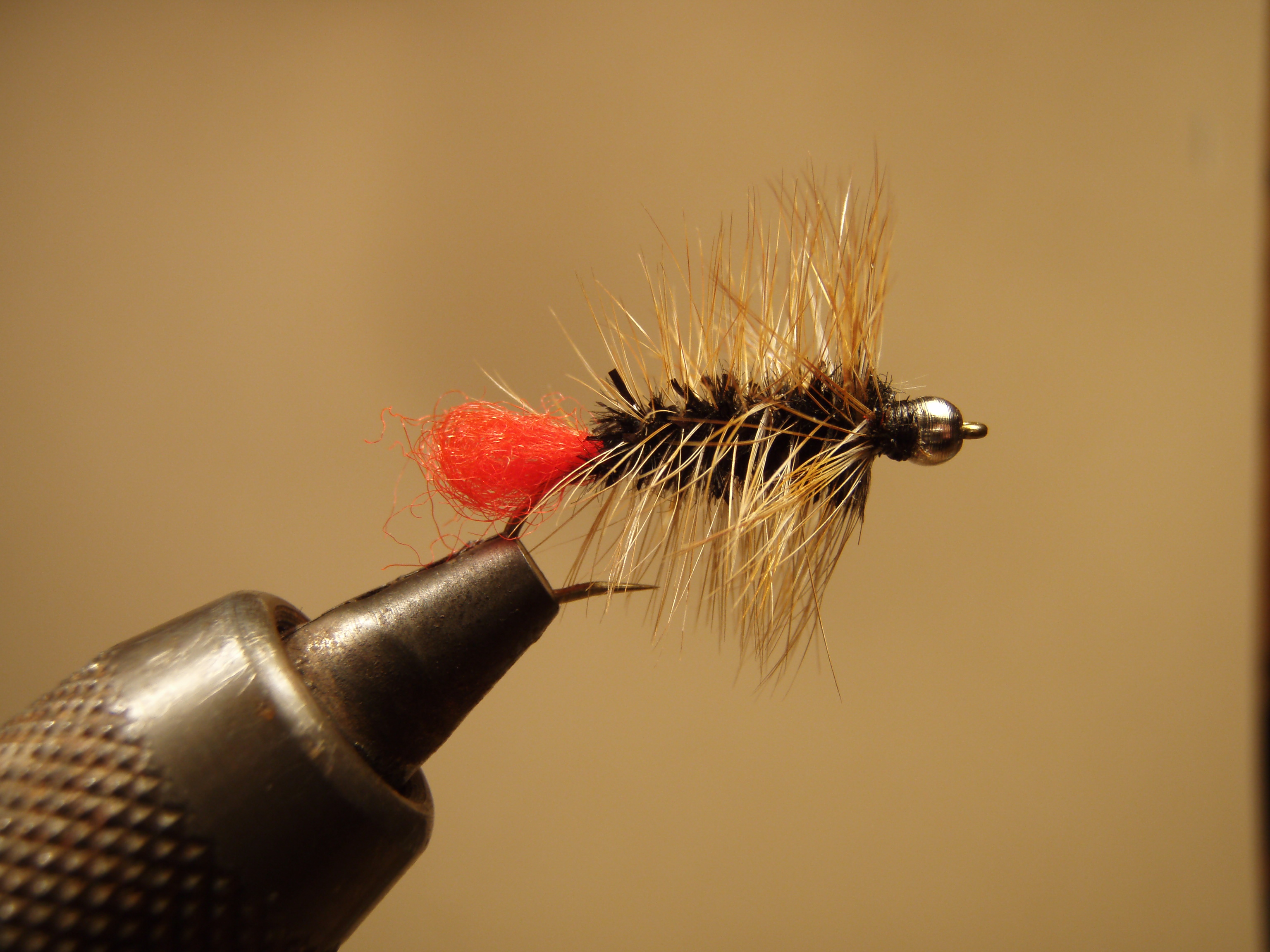
Woolly Worm

Woolly Worm

The Woolly Worm is an artificial fly commonly categorized as a wet fly or nymph and is fished under the water surface. It is a popular pattern for freshwater game fish and was a very popular fly in the 1950s–1970s in the west. Charles Brooks in Nymph Fishing for Larger Trout recommends the Woolly Worm as a general purpose nymph pattern in most western trout waters in any fly box. Woolly Worms are typically fished in streams, rivers, ponds, and lakes for trout, bass, and panfish. Today, Woolly Worms are tied in a variety of styles and colors to imitate a large aquatic nymphs such as stoneflies, dragonflies, damselflies or hellgrammites.