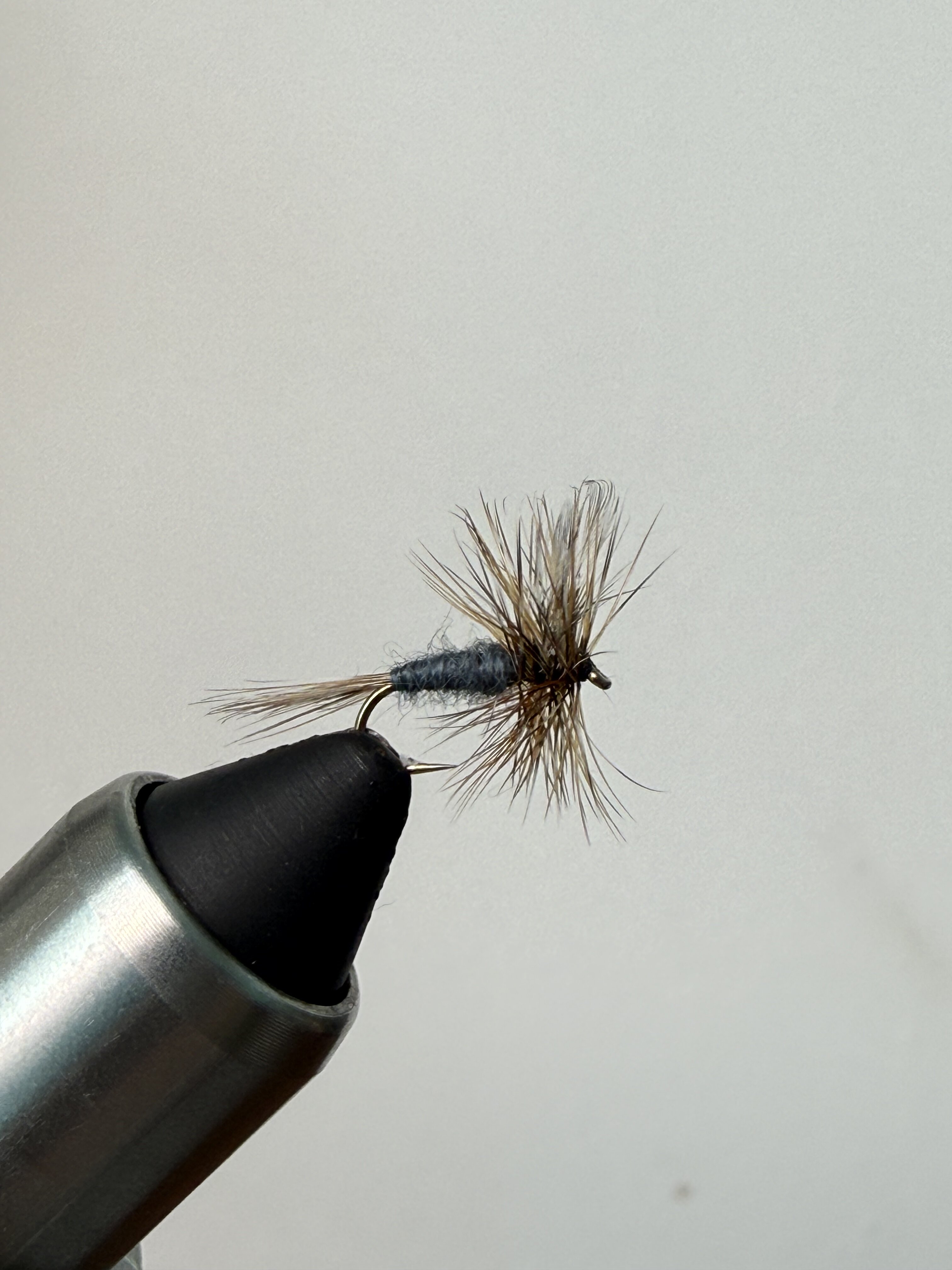
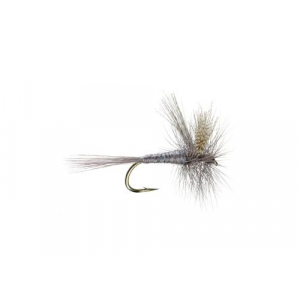
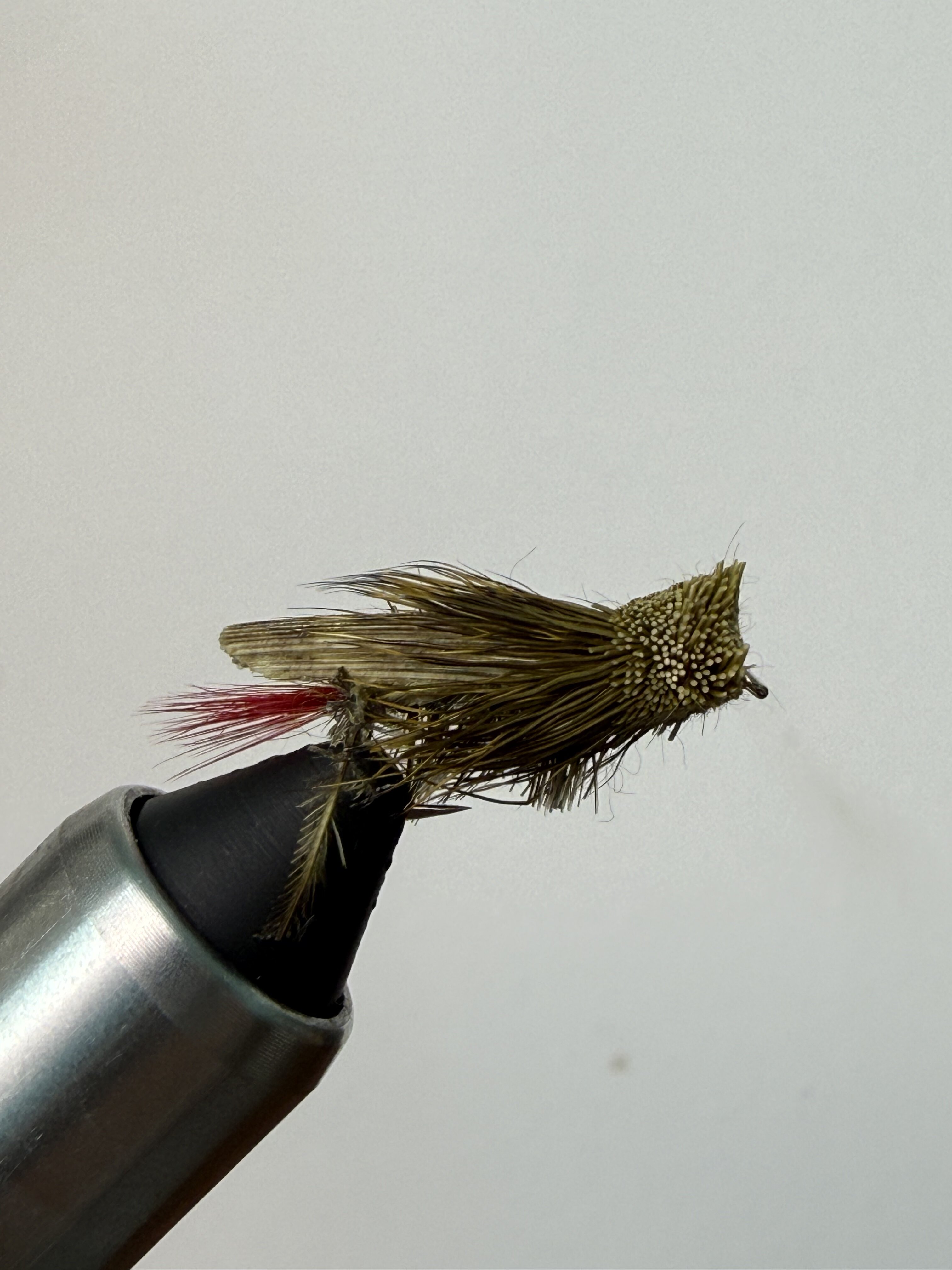
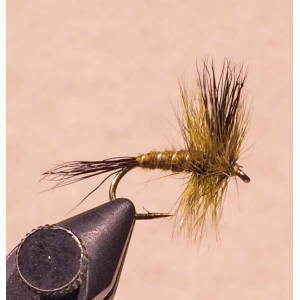
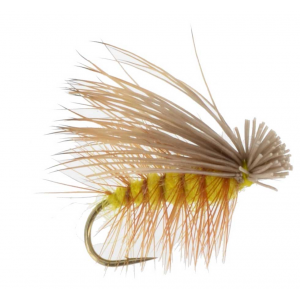
The Elk Hair Caddis is a staple in your trout fly box. Imitating a hatching caddis fly, it can be tied in sizes 10-20 and in just about any color combination of dubbing, hackle, and wing. They may be thought of for trout, but you can also find uses for them to target smallmouth bass and panfish.
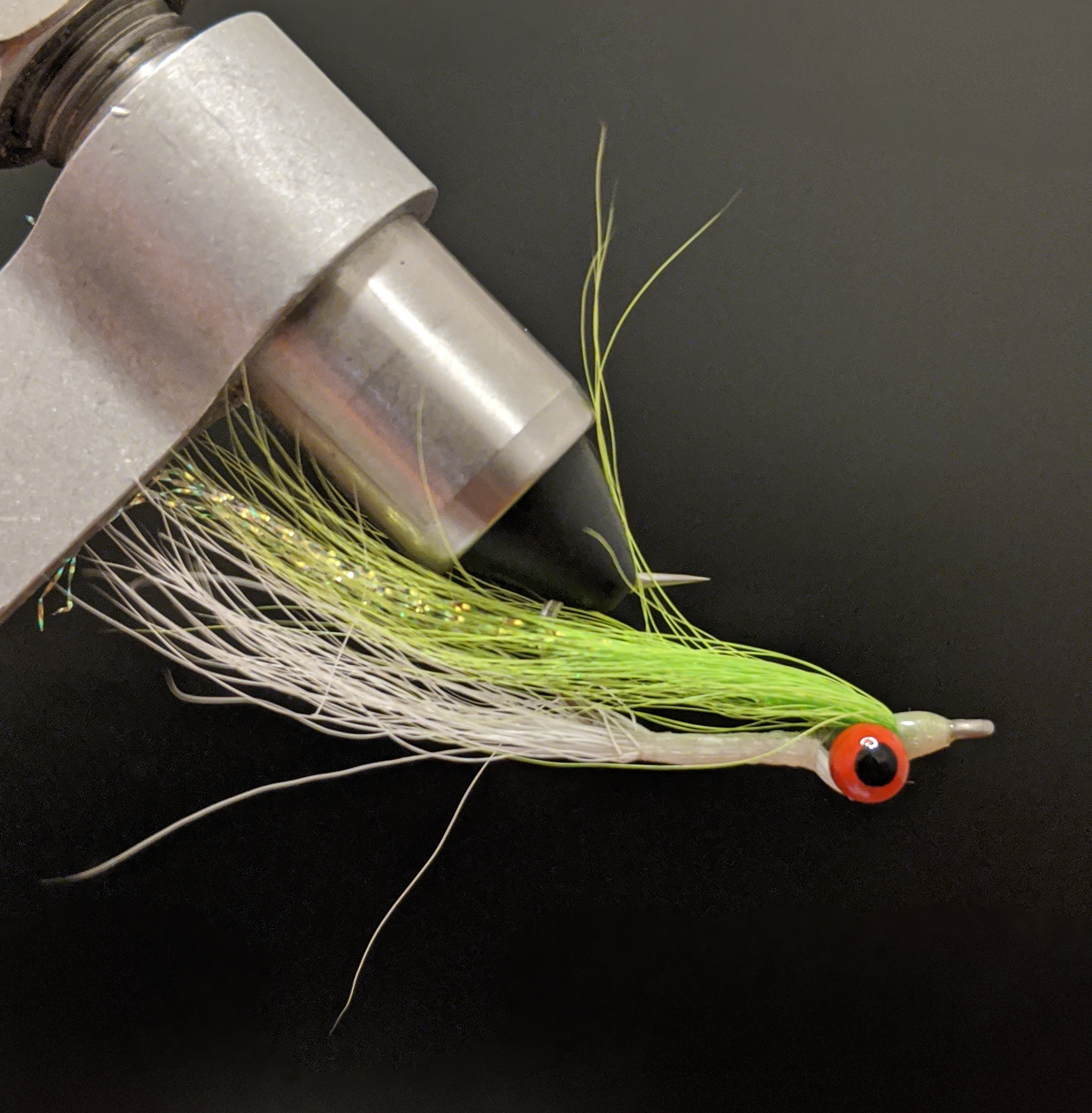
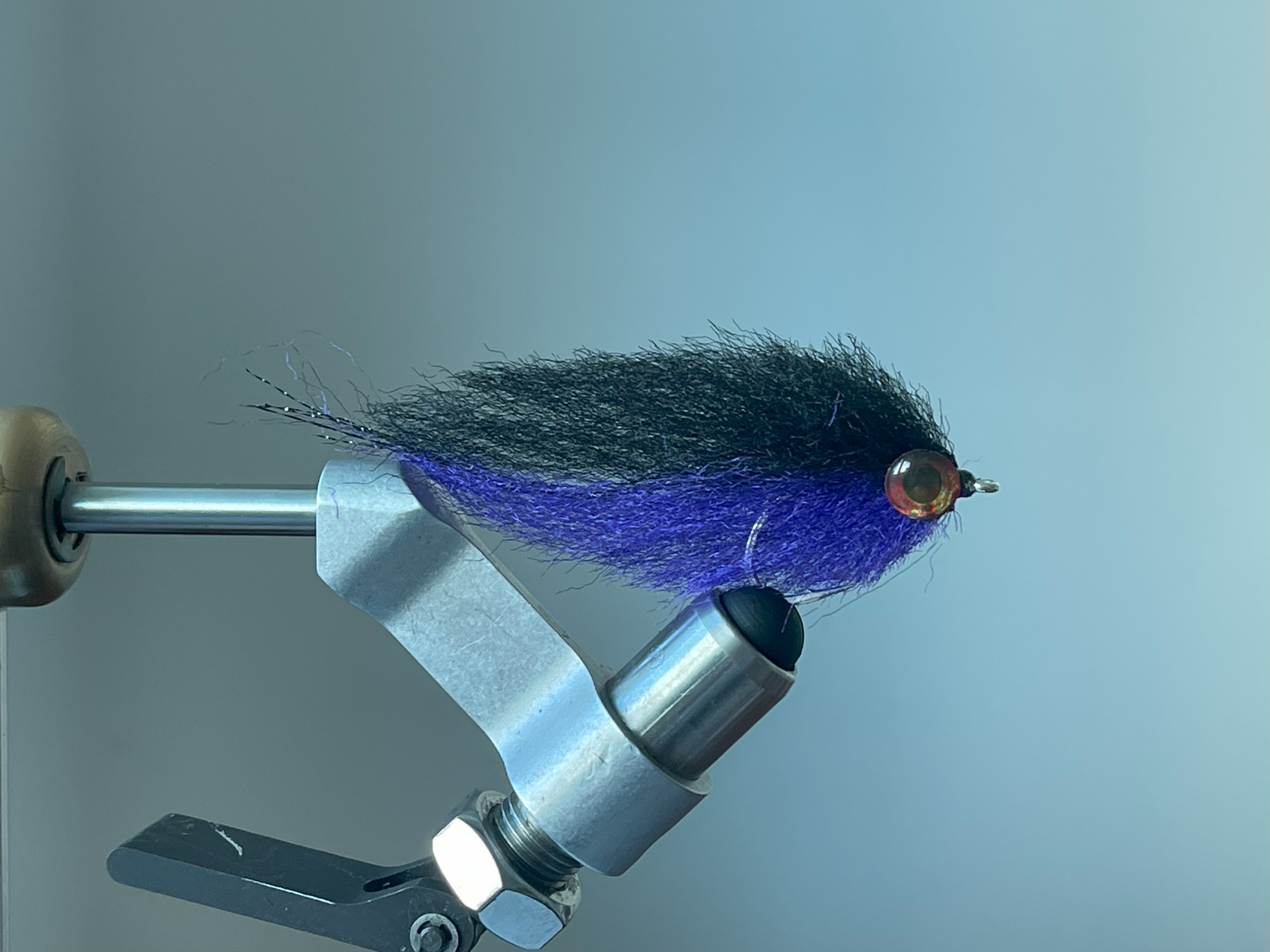
This is a fantastic all around baitfish pattern that can be tied in any color combo you can imagine to imitate whatever swims in your waters. The Enrico Puglisi (EP) Fibers don't absorb water, allowing for easier casting, while still pushing plenty of water. You can trim the fibers to any length or profile you want, too, making this such an easy fly to customize to your application. When tying this fly, try to keep it more sparse than you think you need - this fly will bulk up fast with too much material.
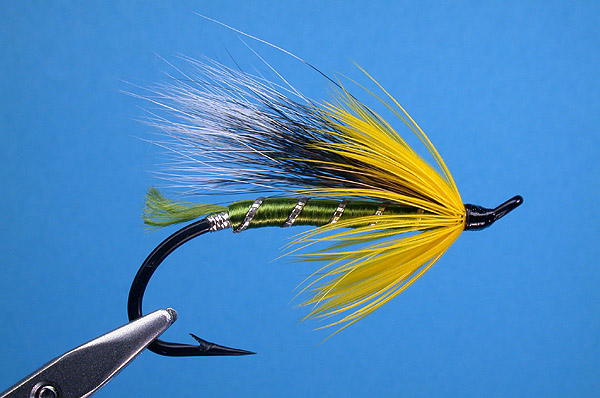
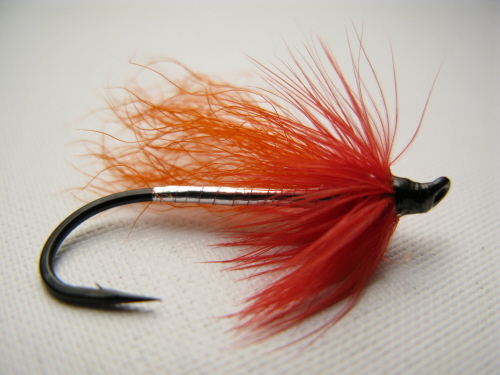
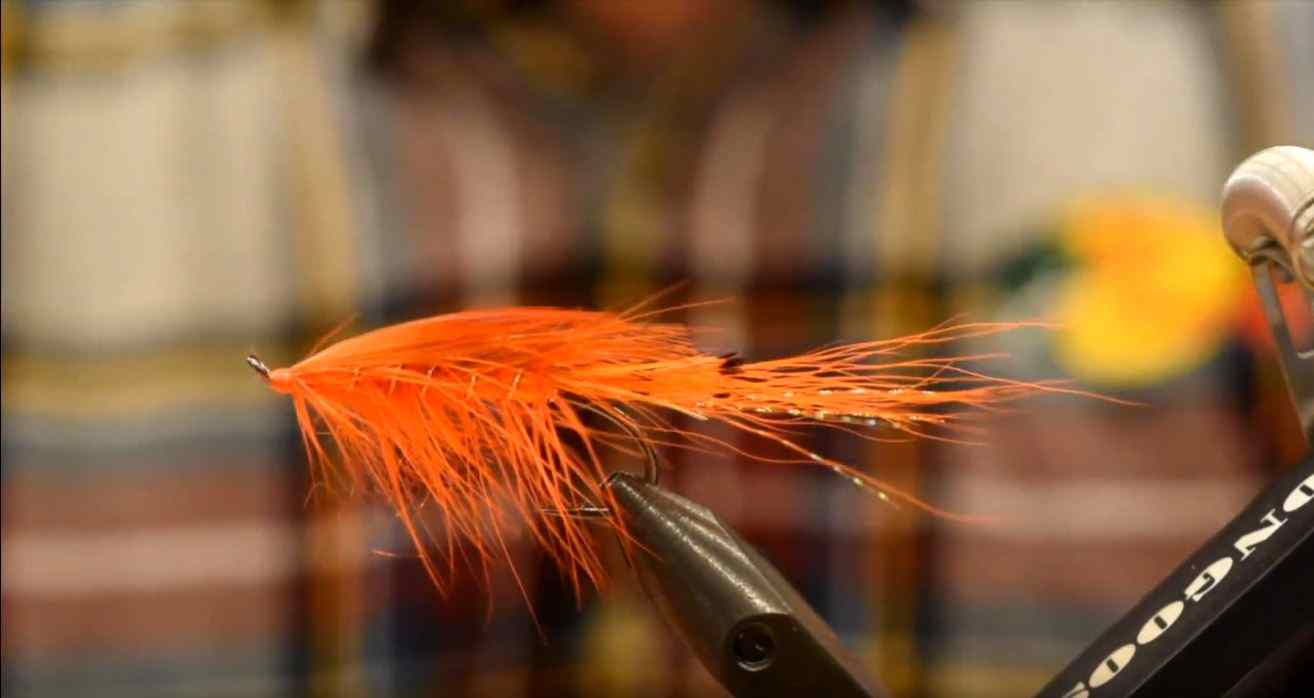
This pattern was created by Lloyd Silvius of Eureka, CA in 1946 to fish for the fall run of Steelhead on the Eel River. It has since become a productive pattern wherever and whenever Steelhead run. It is truly one of the most effective patterns ever made and belongs on anyone's top 10 list of patterns. Especially productive in low water.
The Gotcha is by far the most popular fly in the world for bonefish. It can be tied in various colors and weights to fit your situation perfectly. No trip to the flats is complete without these in your fly box!
The Green Weenie is a very popular fly that imitates an inchworm or caddis pupa. It can be tied in any color variation, but most commonly fluorescent green or chartreuse - just match the thread to the body! You can also tie this fly in varying weights. Leave the bead off to fish it on the surface or just below, or add some wraps of lead around the hook shank to fish it extra deep!
The Henryville fly was created by Hiram Brobst and was christened on the Henryville section of Pennsylvania's Broadhead Creek. The Henryville is a superior adult caddis imitation and has been around for many years. One of the classic dry flies, it is excellent for skittering, or you can clip the hackle on the bottom so that it will stay upright and float lower in the film